
This is a rough year for those of us who enjoy exploring color trends.
You may remember that Pantone has declared Cloud Dancer the “color” of the year. This shade of off-white, approximately the color of a blank canvas, has done little to inspire innovative use of the color. However, when one aspect of design is limited, it forces greater creativity in the use of the other elements.
It’s Pantone Quilt Challenge season, and I’m attempting to make a quilt featuring the color of the year, with an intense focus on texture as a design feature.
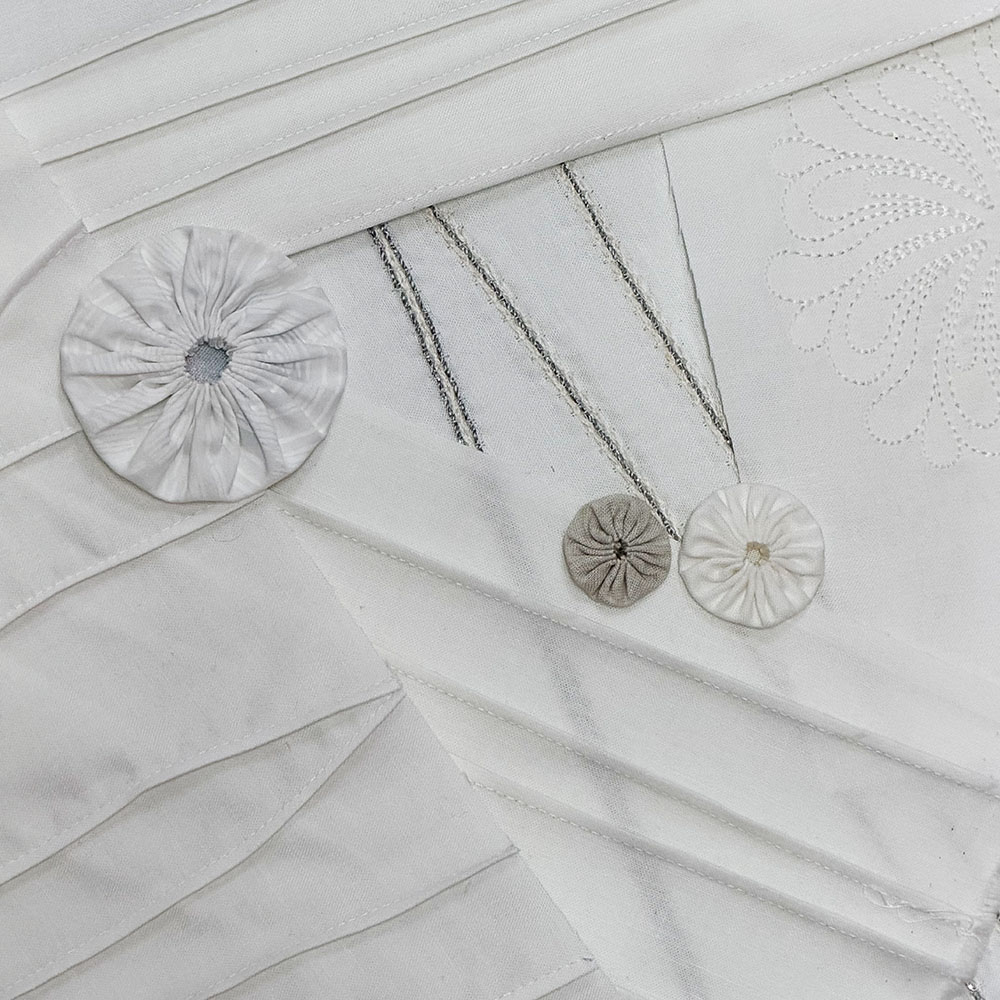
In the spirit of this challenge, today, I am sharing five techniques to add texture to a design before beginning the actual piecing (or appliqué) of the quilt top.
1. Make Textural Fabric Choices
All quilts rely on our fabric choices, but when you use a monochromatic color palette, the decisions you make regarding prints, textures, and fibers are amplified.
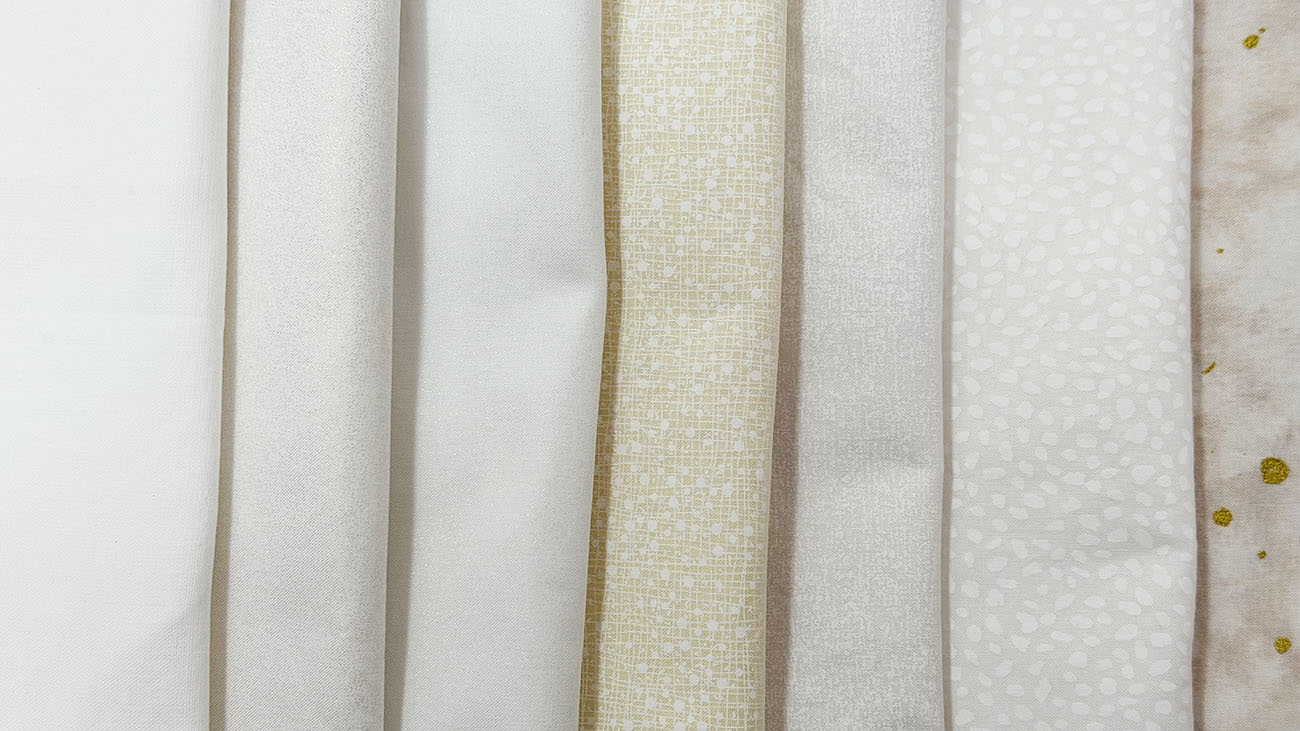
For my interpretation of Cloud Dancer, I’m using mostly white fabrics, with a bit of pale grey, beige, and soft pastels. I’m incorporating some solid whites, white-on-whites, and subtle prints. Within the solid white fabrics, I’m using quilting cotton, a bit of linen, and some Kona Sheen, which adds a metallic finish and provides another surface to catch and reflect light differently than standard quilting cottons.
2. Intentionally Use Tucks and Pleats
For most quilts, we avoid tucks and pleats like the plague, but when used with intention, they can add a terrific textural element.
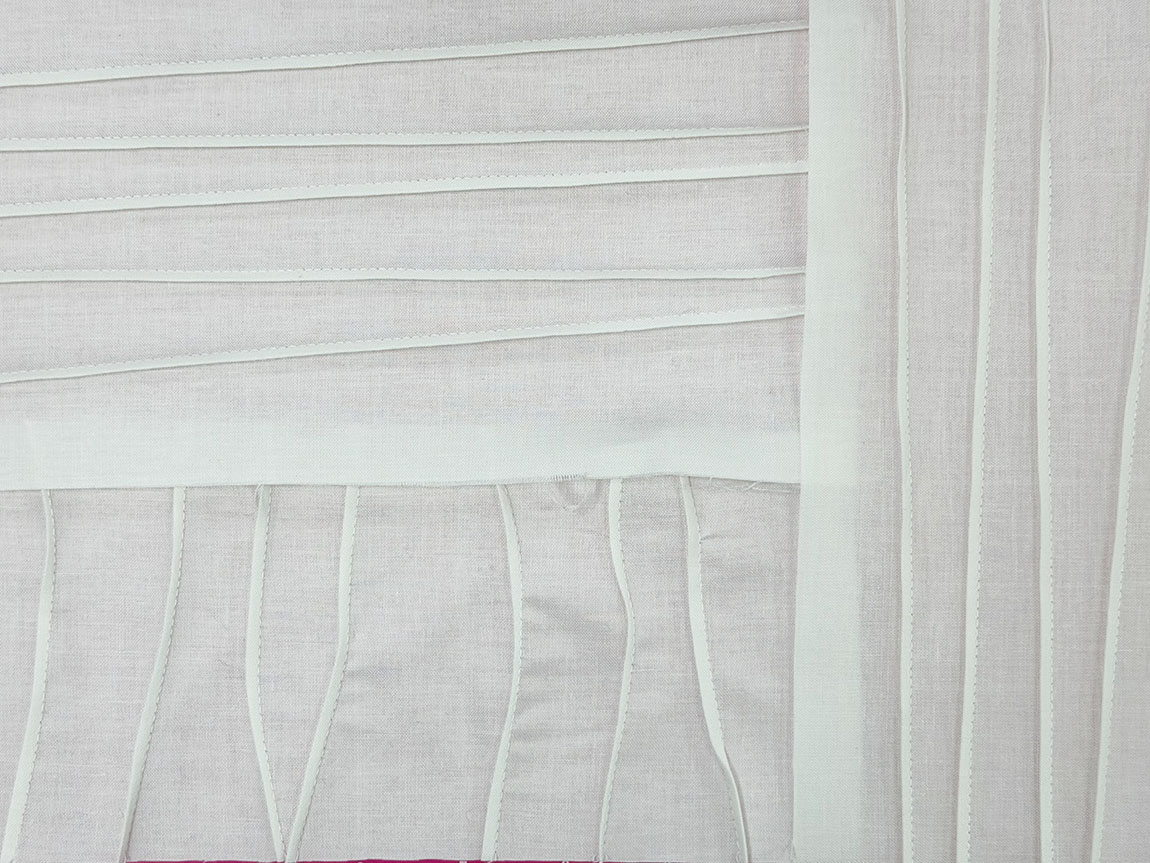
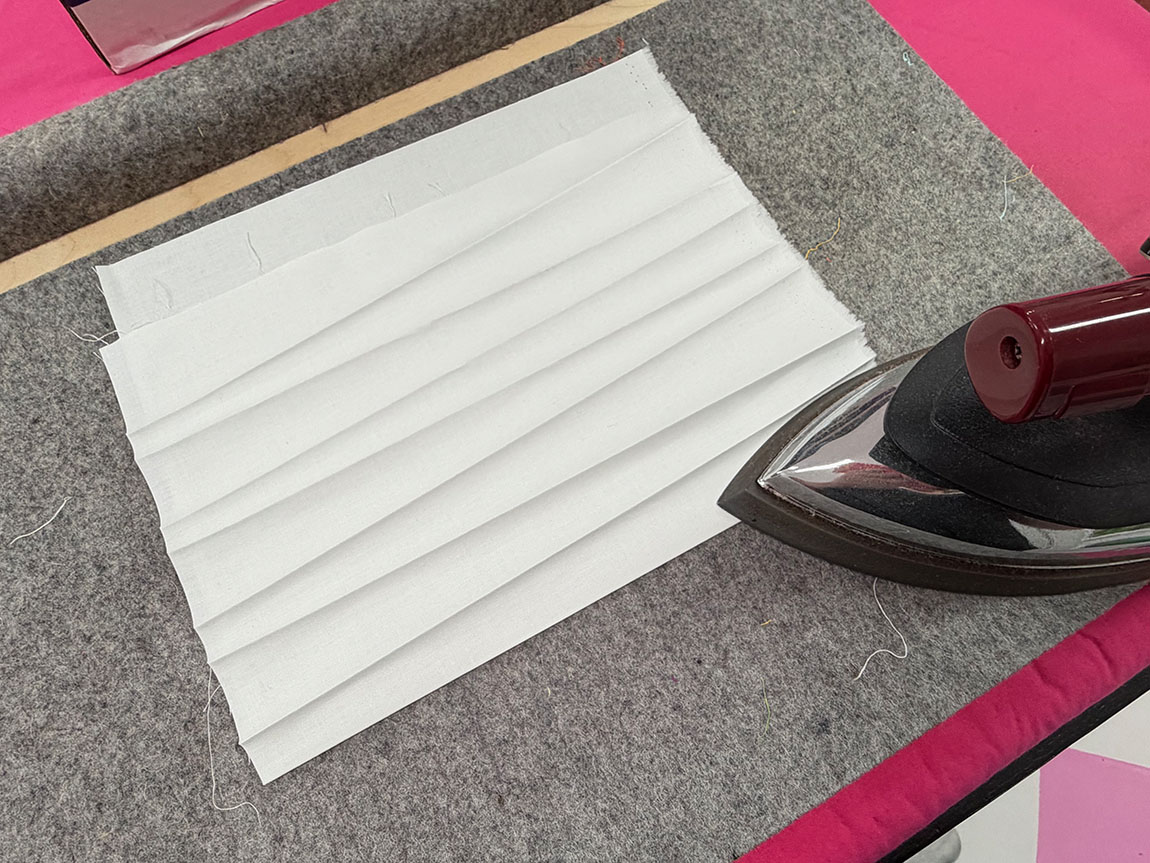
I’ve been creating straight line and organically shaped pleats to incorporate into my overall design. For the straight line tucks, I press the lines into the fabric before I sit down at the sewing machine, then stitch just under 1/8” from the fold line.
The organic curves are actually a bit more challenging because I pinch the curved lines into shape as I stitch.
3. Couching is Cool
I used a heavier cord to couch this Christmas Stocking a few years ago, but for this project, I wanted to use a lower-profile material. Using a cording foot on my machine, I was able to couch three strands of heavy thread and embroidery floss into a single row at once.
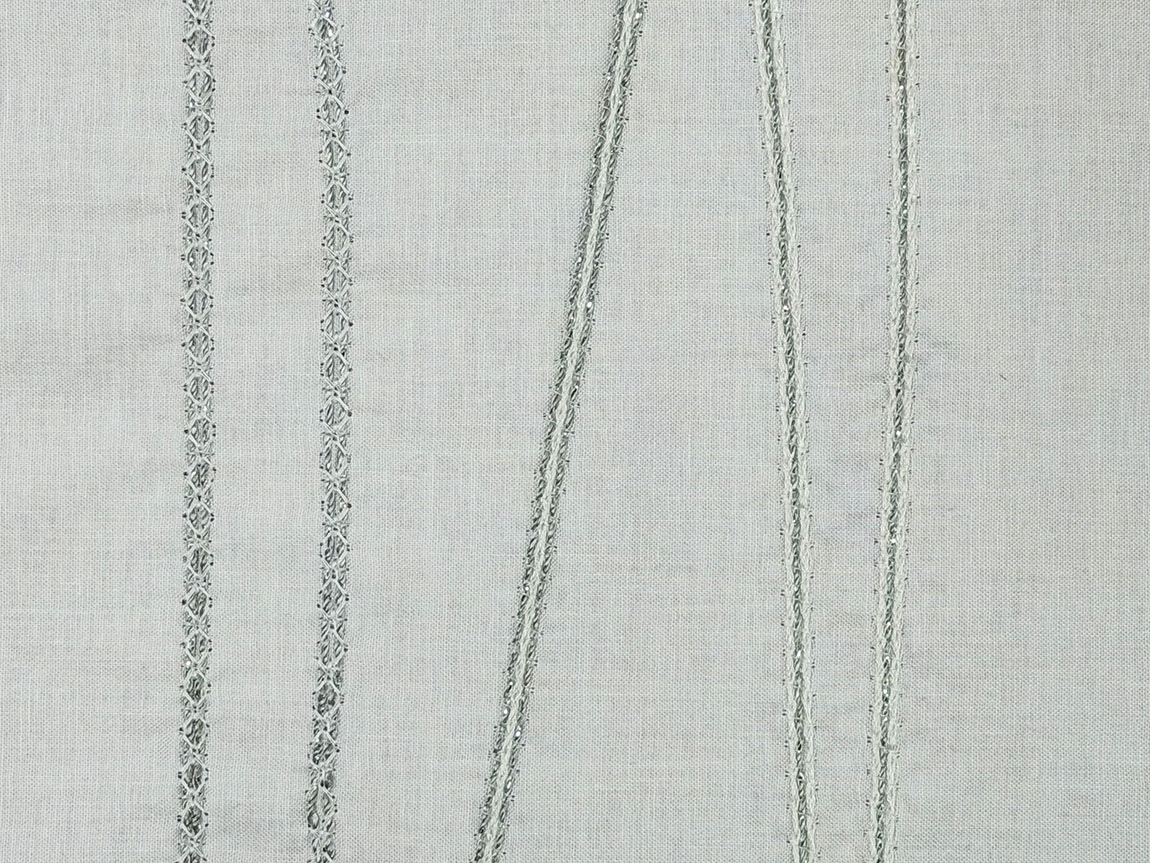
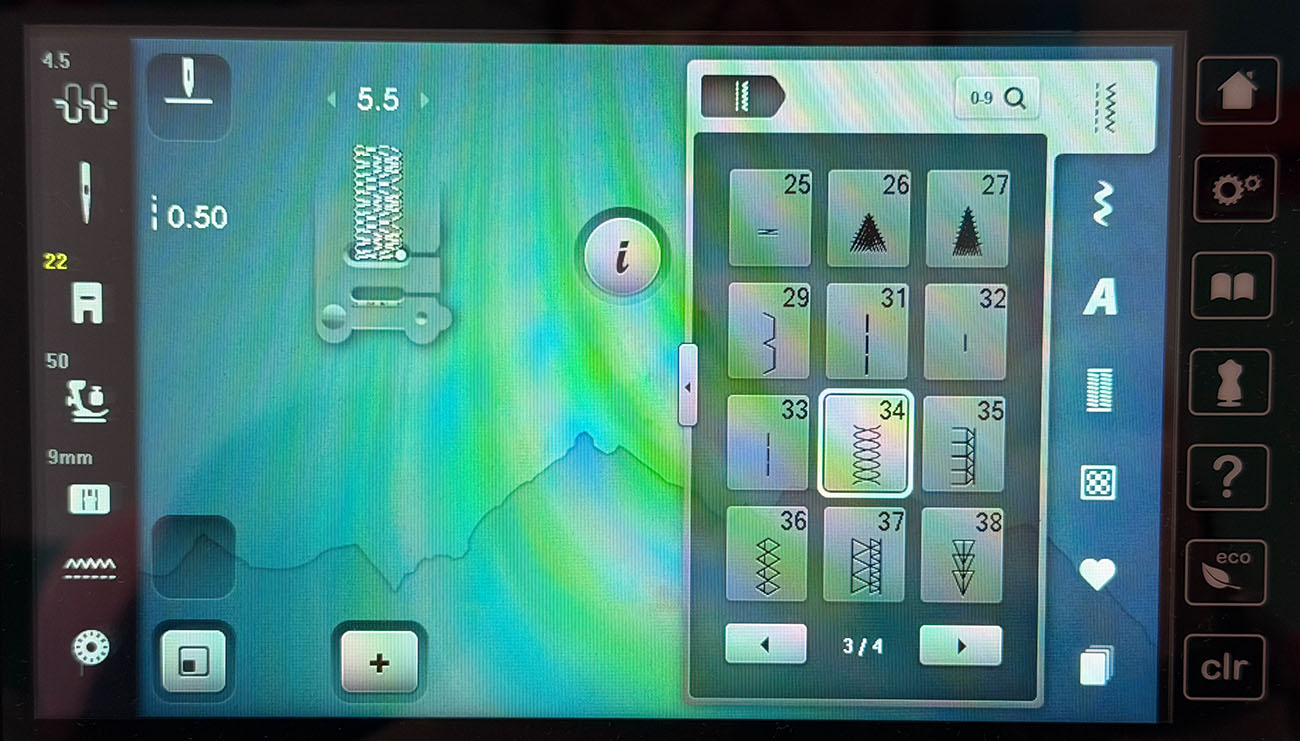
I experimented with a few types of stitches with this technique, and ended up liking the simplicity of a curved utility stitch.
4. Make Machine Embroidery Work For You
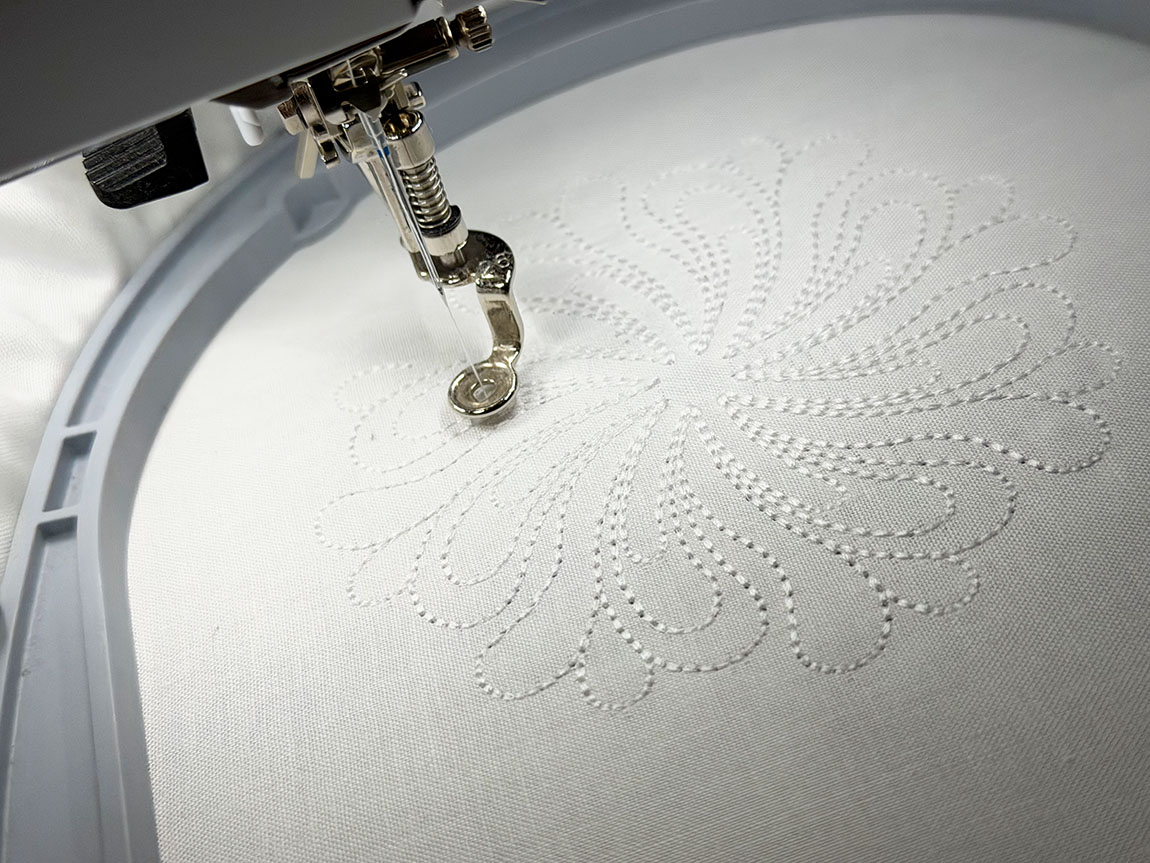
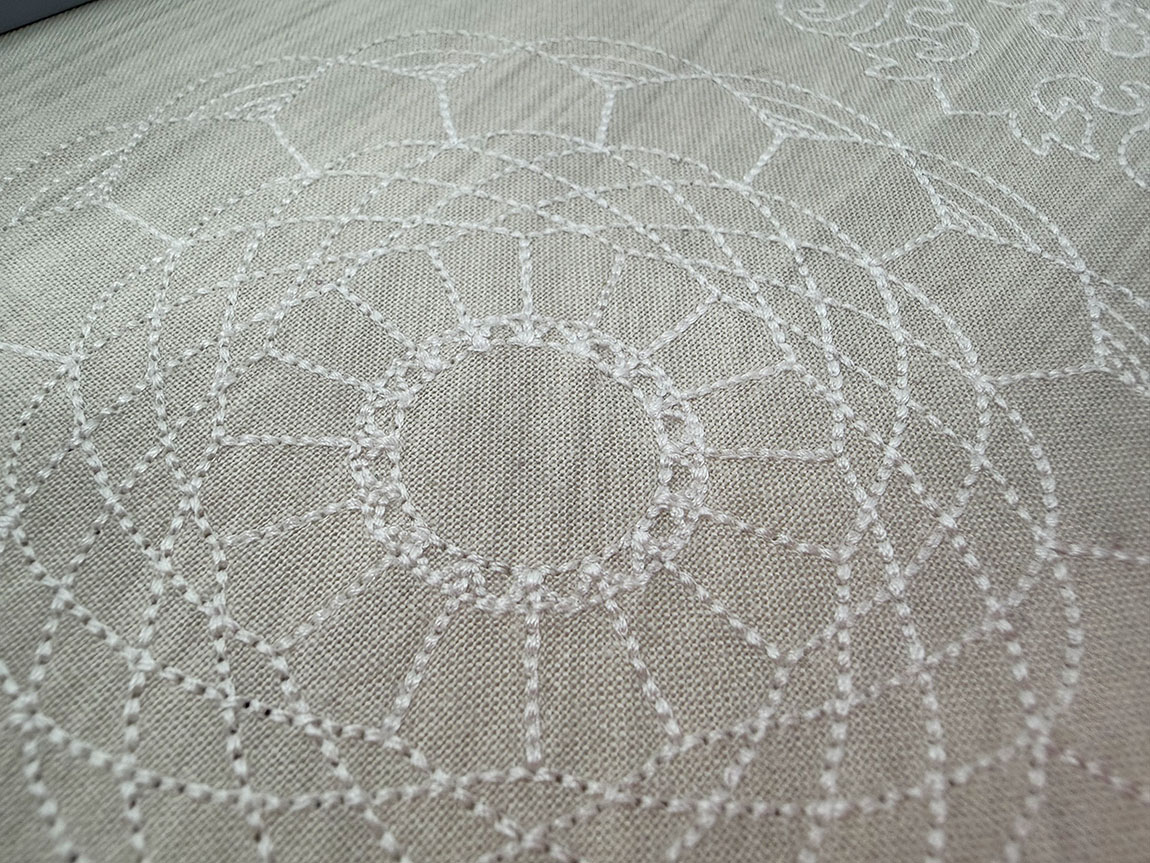
Modern quilting and machine embroidery may not immediately seem like a match, but for this design, I am embracing the textural elements machine embroidery can offer and incorporating single-color designs stitched on a similar color fabric to increase texture while providing subtle line work.
5. Gathering and Yo-Yos
My final design features nearly circular shapes, and I am excited to incorporate yo-yos into the composition as key components to the finished design. A yo-yo starts its existence as a circle that gets its raw edge turned under as you hand sew gathering stitches around the circumference. Those stitches get pulled tight to create the signature ruched effect in the center of the completed yo-yo.
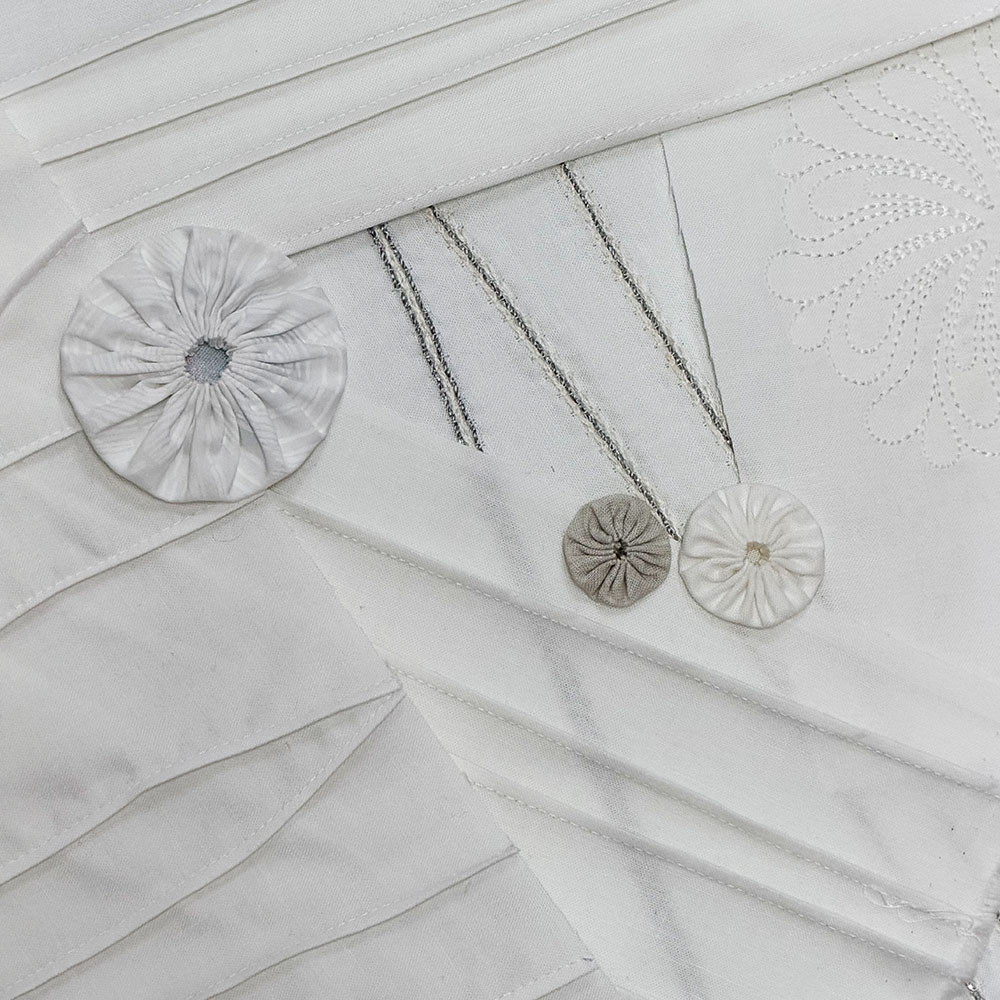
Additional gathering effects may also end up in the final design, but it is still a work in progress, so you’ll have to wait to see how much of a role it plays!
Using Texture
What role does texture play in your quilts? Do you use fabric manipulation to create texture beyond the fabric itself? Are there any other techniques I should incorporate?


5 Comments
Kimberly Hanson
April 17, 2026 at 7:54 amI love this sooooo much!
Candy
April 17, 2026 at 10:03 amThese are such beautiful ideas and examples of adding texture! Can’t wait to try a few!
Kathie
April 17, 2026 at 5:25 pmGreat “out of the box” thinking!
Hilda
April 18, 2026 at 3:58 amIt’s nice to read, thank you. I’m also making a (small) quilt for this pantone challenge and I found out I could use a kind of sashiko stitching that I just learned in a workshop in februari, it’s called hitomezashi. It’s not so good looking as machine embroidery but I suppose handmade stitches never are and may be that’s the charm of hand stitching. I use somewhat thicker thread in soft colors. The whole pantone challenge is a real challenge this year and I like it!
Mary
April 18, 2026 at 12:29 pmI’ve made tucks for little dresses but this is brilliant! It’s a why-didn’t-I-think-of-that? moment for me. Also there are so many ways to utilize your ideas in my improv quilts. Thanks for flipping my brain!
Mary